








What is Homelessness in America?
Homelessness in America is at an all-time high. This overview explains the economic and systemic root causes, who is affected, and the solutions to end it.
The Reality of Homelessness
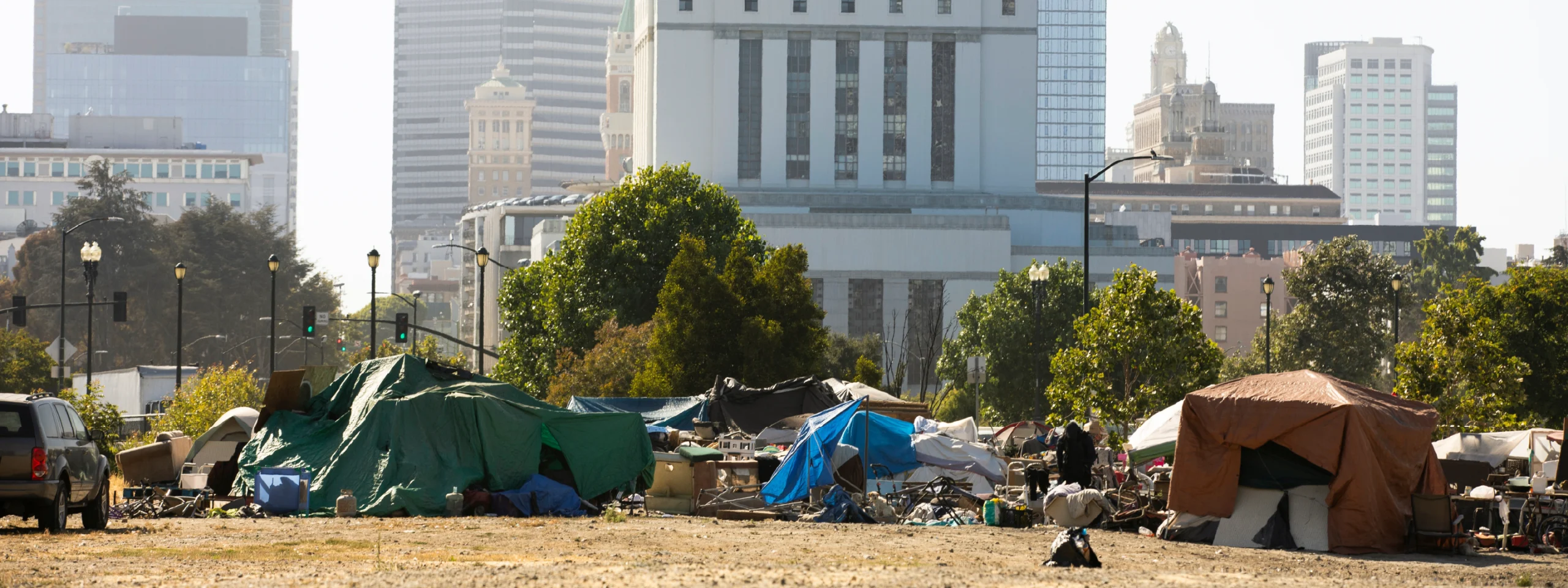
Homelessness is one of America’s most visible yet least understood challenges. It affects people from all walks of life who struggle due to economic hardship, lack of affordable housing, or other systemic barriers. The reality is that most people are forced into homelessness by circumstances beyond their control. The solutions lie in systemic changes, not quick fixes.
Who Experiences Homelessness?
Anyone can experience homelessness. And while every person faces unique challenges, all people experiencing homelessness are impacted by systemic issues like the lack of affordable housing and inadequate incomes.
The largest categories of people who experience homelessness include:
Individual Adults
People in Families
Veterans
Older Adults
People who are Chronically Homeless
Unaccompanied Youth
Of these populations, many people find themselves in difficult situations:

People Priced Out by High Rent and Limited Housing
As rent rises faster than income, many low-income individuals and families are priced out of housing. Seventy-four percent of extremely low-income renters experience a severe cost burden, meaning that they spend more than half their limited income on rent, leaving little for other essentials. With a critical shortage of affordable housing nationwide, the households face constant housing insecurity.

People With Insufficient Income
Wages have stagnated for the lowest income workers, and public benefits haven’t kept up with the cost of living, making housing unaffordable for many households.

People Dealing with Health Issues
Those with health conditions or disabilities often face higher medical costs, lost income opportunities, and discrimination, making it even harder to find or keep housing. For many, a lack of healthcare access led to progressive health issues and crushing medical bills, making it harder to maintain housing or employment.

People from Systemically Marginalized Communities
BIPOC and LGBTQ+ populations face systemic barriers like discrimination, lack of resources, and programs that lack cultural competency leading to a disproportionate impact of homelessness on these communities.
What Causes Homelessness?
Contrary to common narratives, homelessness is not primarily caused by personal factors like addiction or mental illness. These may be precipitating factors for some people, but the homelessness crisis is primarily driven by broader economic and systemic issues, such as:



How Can We Solve Homelessness?
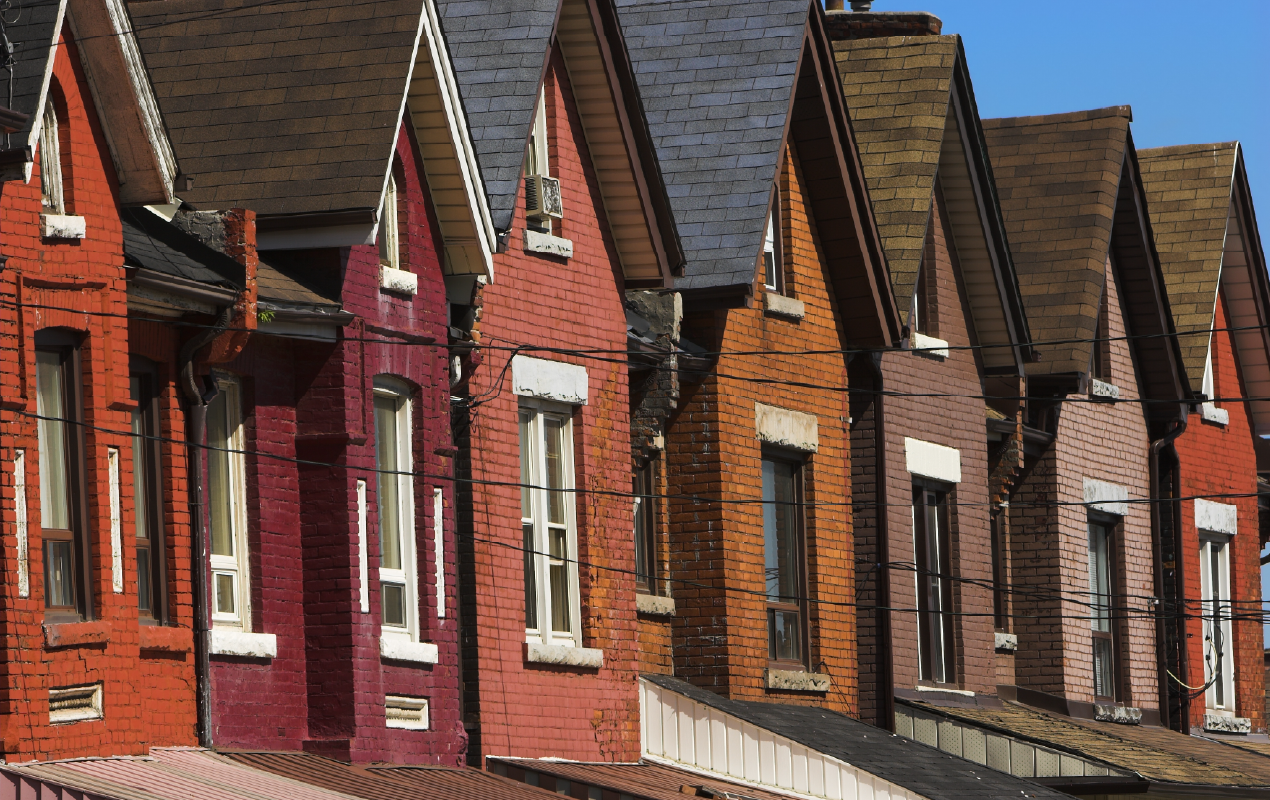
Solving homelessness requires a comprehensive approach that combines prevention with direct response. We must address the systemic issues that force people from their homes — such as lack of affordable housing, inadequate income support, and limited healthcare access — while ensuring a robust, fully-funded emergency response system. This response system needs to provide immediate shelter, supportive services, and clear pathways to permanent housing for those currently experiencing homelessness.
The Role of Affordable Housing
The United States simply does not have enough housing for everyone who needs it. Building and preserving affordable housing is one of the most effective ways to stop the flow of people into homelessness. More units need to be built, and current housing must remain accessible to low-income families.
The Importance of Income Support
Closing the gap between income and housing costs is critical. By increasing income opportunities and public benefits, we can help prevent homelessness.
The Need for Healthcare
When people can’t afford or access the health services they need, it can worsen both health issues and financial hardships, both of which can contribute to a loss of housing. Ensuring access to quality, affordable healthcare is critical for keeping people in their housing, and stabilizing people who are homeless.
Housing and Supportive Services: An Effective Solution
The evidence is clear: the most effective way to rehouse people is to offer immediate access to permanent housing without preconditions, combined with supportive services to help them address needs, like employment, healthcare, or drug treatment.
Emergency Shelters and Temporary Housing
While temporary shelters offer immediate relief for people in a housing crisis, they are not designed to be a long-term solution. All communities must balance their needs to expand emergency shelter for everyone who needs it, while also exiting people to permanent housing so that shelter beds are available for the next person who needs them.
Stay Updated: Solutions, Stories, and Ways to Make an Impact
Sign up to receive updates on the Alliance’s work, including the latest research, advocacy efforts, and real stories of progress — plus ways you can help drive lasting change.